Vape Australia in 2026: Pharmacy Access, Legal Limits & What’s Actually Changed

Vape Australia in 2026: Pharmacy Access, Legal Limits & What’s Actually Changed
The rules around buying a vape in Australia changed more in 18 months than in the previous decade. Since 1 October 2024, adults 18+ can walk into a participating pharmacy and buy a low-strength nicotine vape without a prescription — but most pharmacies don’t actually stock them. If you’ve been confused about what’s legal, where to buy, and what nicotine strength you can get, you’re not alone. This guide covers the current 2026 rules, the data behind them, and the practical reality on the ground.
Key Takeaways
– Vapes are pharmacy-only since 1 July 2024; retail and online sales by non-pharmacies are illegal nationwide (TGA, 2024).
– Adults 18+ can buy ≤20mg/mL nicotine vapes without a prescription (Schedule 3); higher strengths still need a script.
– Maximum nicotine concentration is 50mg/mL under TGO 110 (1 July 2025); flavours limited to mint, menthol, tobacco.
– Australian Border Force seized over 6 million illicit vapes in FY2024-25 — black market still active.
– Adult current vaping rose from 2.5% (2019) to 7.0% (2022-23); among 18-24-year-olds, 21% currently vape.

How Did Vape Laws Change in Australia in 2024-2025?
In 2024, Australia replaced its retail vape market with a pharmacy-only access model in two stages. From 1 July 2024, retailers — tobacconists, vape shops, convenience stores — could no longer lawfully supply any vapes; they became therapeutic goods only (TGA, 2024). From 1 October 2024, low-strength nicotine vapes became Schedule 3 (pharmacist-only) for adults 18+, removing the prescription requirement most users found impractical.
The Therapeutic Goods (Vaping Reforms) Act 2024 aimed to cut youth uptake while keeping a regulated cessation pathway open. Then on 1 July 2025, the TGA tightened product standards under TGO 110: maximum nicotine concentration set at 50mg/mL, flavours restricted to mint, menthol, and tobacco, child-attractive product names banned, and an expanded prohibited ingredient list (TGA, 2025).
According to the Therapeutic Goods Administration, vapes are now classified as therapeutic goods regulated under the Therapeutic Goods Act 1989. That means every product sold legally must meet manufacturing, labelling, and ingredient standards — a sharp break from the pre-reform retail era when most products were imported through grey channels.
[INTERNAL-LINK: timeline of Australian tobacco and vape policy → pillar page on Australian smoking regulations]
Where Can You Legally Buy a Vape in Australia in 2026?
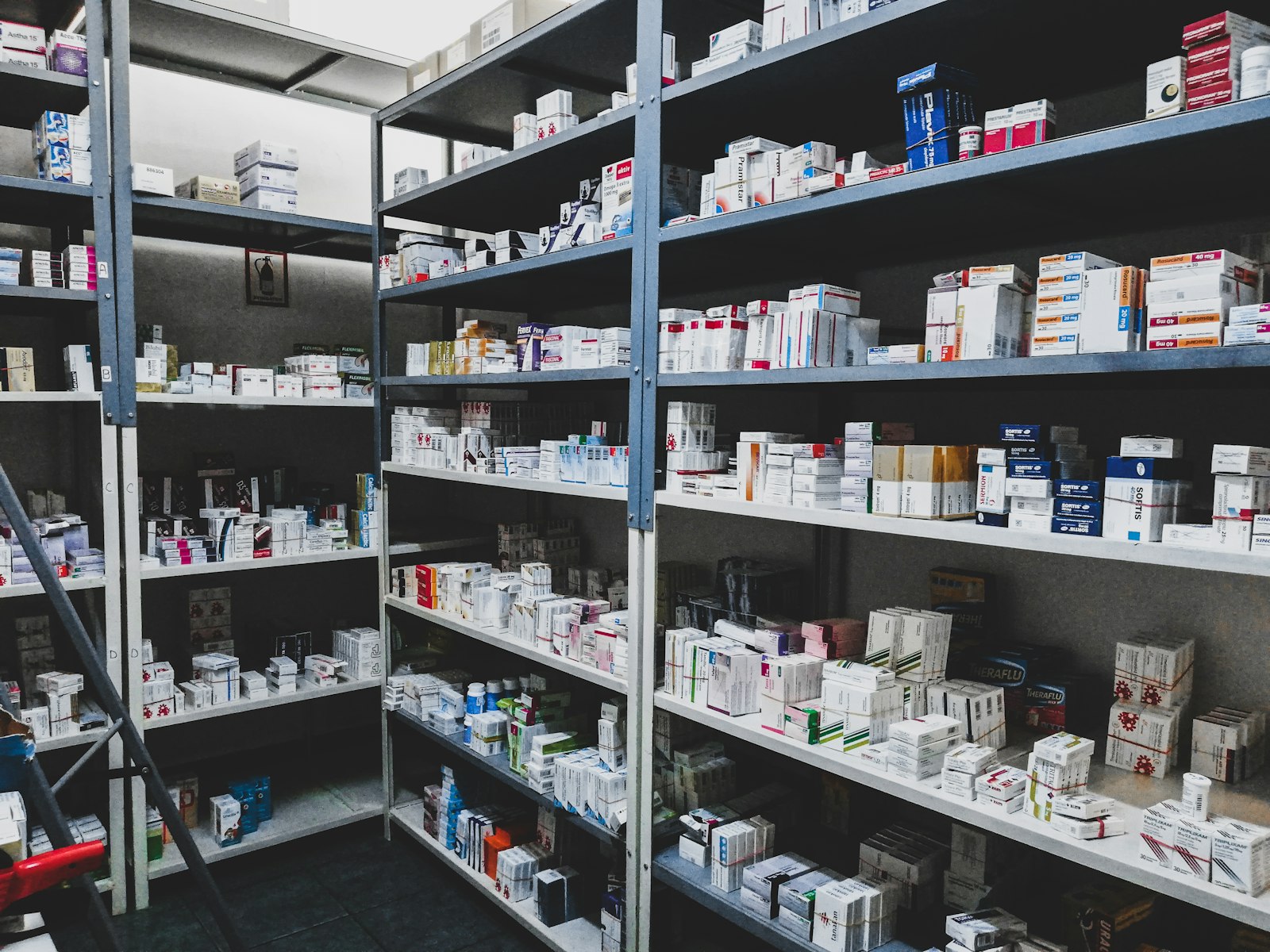
Legal nicotine vapes in Australia come from one place: a community pharmacy. Online sales by non-pharmacies are illegal, retail sales are banned, and importing vapes for personal use without authorisation breaches Customs rules. The catch is that not every pharmacy participates. A mystery-shop survey conducted in October 2024 found that 99% of pharmacies did not stock walk-in low-nicotine vapes, and only 2% would order them on request (Pharmacy Guild of Australia, 2024).
Major chains including TerryWhite Chemmart, Priceline, National Pharmacies, Blooms The Chemist, and Pharmacy 777 publicly opted out of stocking nicotine vaping products at launch. Independent pharmacies have been more variable. The practical reality: call ahead, ask if they stock or will order Schedule 3 nicotine vaping products, and confirm pricing before visiting.
If you have a prescription from a GP for a higher-strength product (>20mg/mL), more pharmacies are willing to dispense — the prescription removes some of the perceived liability that has kept Schedule 3 stocking low. The Pharmaceutical Society of Australia provides clinical guidance for pharmacists, but individual pharmacy policy still drives availability.
[INTERNAL-LINK: how to talk to your pharmacist about smoking cessation → cessation support guide]
What Vapes Are Allowed Under TGO 110?
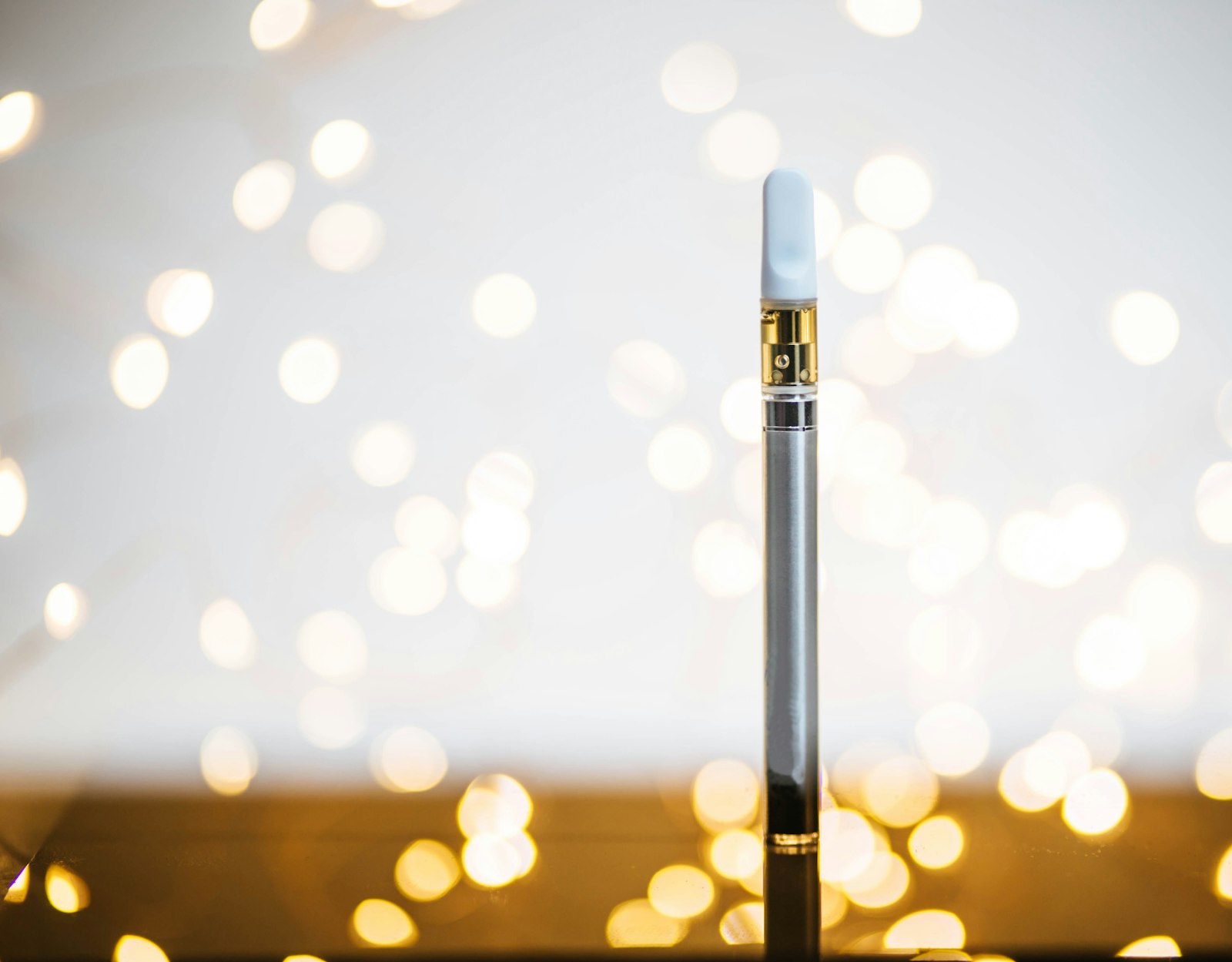
Under the updated TGO 110 standard effective 1 July 2025, legal vapes in Australia are limited to closed-system or refillable devices with nicotine concentration up to 50mg/mL, in mint, menthol, or tobacco flavour only (TGA, 2025). The default over-the-counter limit at pharmacy is 20mg/mL — anything stronger requires a Schedule 4 prescription.
The standard explicitly bans:
- Disposable single-use vapes designed for the consumer market
- Fruit, dessert, candy, and other flavours that target younger users
- Child-attractive product names, packaging, or branding
- Specific ingredients on the prohibited list (vitamin E acetate, certain colorants, diacetyl-related compounds, and others)
- Unlicensed pre-filled cartridges from non-approved manufacturers
What is a Schedule 3 vape? It’s a therapeutic vaping product that has been notified to the TGA under the Special Access Scheme C pathway, manufactured to GMP standards, and labelled to TGO 110 specifications. Closed-system devices — where the nicotine cartridge is sealed and replaced as a unit — are preferred under RACGP clinical guidance because they reduce dosing variability and child-poisoning risk.
Our reading of the data: The 50mg/mL ceiling matches international harm-reduction frameworks but sits well above the 20mg/mL EU cap, leaving Australia mid-range globally. Whether that level is appropriate for adult smokers transitioning away from combustibles remains an active clinical debate.
How Many Australians Vape in 2026?
Australian adult vaping has roughly tripled in five years. Current e-cigarette use among Australians 14+ rose from 2.5% in 2019 to 7.0% in 2022-23, while daily use climbed from 0.5% (~100,000 people) in 2016 to 3.5% (~700,000 people) in 2022-23 (AIHW NDSHS, 2024). Among 18-24-year-olds, current vaping reached 21% in 2022-23, up from 5.3% in 2019 — the steepest increase of any age band.
The Australian Institute of Health and Welfare ran the NDSHS as a household survey of more than 21,000 respondents, making it the most authoritative population estimate available. The next wave (2025-26) hadn’t been published as of May 2026, so post-reform impact on adult prevalence remains open.
[INTERNAL-LINK: detailed breakdown of vape prevalence by state → state-by-state vaping data page]
Is Youth Vaping Dropping After the Reforms?
Youth vaping is showing the first signs of decline since the reforms took effect. The Generation Vape study — Cancer Council and University of Sydney’s repeated cross-sectional survey — found vaping rates among 14-17-year-olds fell from 18% in early 2023 to 15% in 2025, while never-vaped rates rose from 82% to 85% (Cancer Council Generation Vape Wave 8, 2025). Never-smoked rates among the same age group hit a record 94%.
The Cancer Council’s analysis also tracked supply channels. Vape purchases via Snapchat — a leading distribution route to under-18s — dropped from around 10% in February 2024 to 4% in April 2025 (Cancer Council NSW, 2025). It’s a single signal in a complex picture, but it suggests reforms are partially constricting youth access. Whether this trend holds will become clearer with the next NDSHS wave.
Are Vapes Effective for Quitting Smoking?
The Royal Australian College of GPs does not recommend nicotine vapes as a first-line cessation tool. Under the September 2024 RACGP guidelines, vapes are reserved for adults who have already failed first-line therapy (combination nicotine replacement, varenicline, or bupropion) plus behavioural support, with closed-system devices preferred (RACGP, 2024).
The evidence base supports vapes as a second-line option. A January 2024 Cochrane Review concluded with high-certainty evidence that nicotine e-cigarettes produce significantly higher quit rates than nicotine replacement therapy alone. The RACGP framework integrates this finding while flagging unknowns: long-term respiratory effects, cessation pathway off the vape itself, and dependency risk in vape-naive users.
If you’re considering a vape for cessation, the RACGP guideline asks GPs to document a structured plan: target quit date, behavioural support, defined product (concentration and device type), and a wean-off timeline. That’s the route into the Schedule 4 prescription pathway, which in practice unlocks better pharmacy availability than walk-in Schedule 3.
[INTERNAL-LINK: complete guide to smoking cessation methods → cessation pillar page]
How Big Is the Australian Vape Black Market in 2026?
Despite reforms, the illicit vape trade in Australia hit record highs. Australian Border Force seized over 6 million illicit vapes in FY2024-25, with more than 3 million intercepted in Q3 2025 alone — the largest single quarter on record — and around 120 border detections daily (Australian Border Force, 2025).
That volume tells two stories. First, demand persists despite reforms — and anyone buying outside the pharmacy channel is funding illicit supply chains and likely receiving products that haven’t been tested under TGO 110. Second, the regulator’s enforcement posture is escalating, with joint operations between ABF, state police, and overseas counterparts.
The practical risk: Illicit vapes have been linked to mislabelled nicotine concentrations (sometimes far higher than printed), unverified ingredients including banned compounds, and quality-control failures. There’s no consumer recourse if something goes wrong. The pharmacy pathway exists for that reason.

What Are the Health Risks of Vaping?
A 2025 systematic review and meta-analysis published in Tobacco Induced Diseases found that non-smoking current vapers face moderate-certainty higher incident risk of respiratory symptoms, COPD, asthma, and lung inflammation compared with never-users (Tobacco Induced Diseases, 2025). Risk profile vs current smokers was lower across most outcomes — the harm-reduction case — but vaping is not risk-free.
Lung Foundation Australia’s December 2024 position statement notes that e-cigarette aerosols contain formaldehyde, acrolein, propylene glycol, and vegetable glycerine breakdown products, and classifies the products as unsafe and harmful (Lung Foundation Australia, 2024). The Foundation supports vapes only as a regulated cessation aid for adult smokers under medical supervision, not as a recreational product.
The pragmatic position adopted by most Australian clinicians: if you don’t smoke, don’t vape; if you do smoke, talk to a GP about the full cessation toolkit before reaching for a vape. The harm-reduction calculus only favours vaping over continued smoking, never over neither.
Talk to your GP or local pharmacist
If you’re an adult smoker considering a vape for cessation, book an appointment with your GP. They can review your nicotine dependence, prescribe first-line therapy, and — if appropriate — guide you to a Schedule 3 or Schedule 4 nicotine vaping product through a participating pharmacy. The route adds friction, but it’s the only one that gets you a tested product and clinical support.
Frequently Asked Questions
Can I order vapes online in Australia in 2026?
No. Online sales of vapes by non-pharmacies are illegal under the 2024 reforms. Personal importation is also restricted; you cannot lawfully import a nicotine vape without TGA authorisation. Some pharmacies offer dispensing through telehealth-linked pathways, but this is still a pharmacy transaction, not consumer e-commerce (TGA, 2024).
Do I need a prescription for nicotine vapes in Australia?
Not always. Adults 18+ can buy nicotine vaping products up to 20mg/mL as Schedule 3 (pharmacist-only) without a prescription. Anything stronger — up to the 50mg/mL TGO 110 ceiling — requires a Schedule 4 prescription from a doctor or authorised prescriber.
What’s the maximum nicotine strength allowed in Australia?
50mg/mL under TGO 110 effective 1 July 2025, available only via Schedule 4 prescription. The default over-the-counter ceiling at pharmacy is 20mg/mL. Higher concentrations sold outside this framework are illegal regardless of the seller (TGA, 2025).
Are disposable vapes banned in Australia?
Single-use disposable consumer vapes are prohibited under TGO 110. Closed-system devices where the cartridge is replaced or refilled are the legal format. Anything sold as a single-use disposable in 2026 is, by definition, not TGA-compliant.
Can a tourist or visitor buy vapes in Australia?
Visitors face the same rules as residents: pharmacy-only access, ID required for age verification, and no online consumer sales. Bringing a vape into Australia for personal use without authorisation breaches Customs rules and may be seized at the border. Travellers should check the TGA Vaping Hub before flying.
Conclusion
Australia’s vape market in 2026 is the most regulated in the developed world: pharmacy-only access, capped nicotine concentrations, three permitted flavours, and aggressive border enforcement against the illicit trade. For adults considering a vape — particularly smokers seeking cessation support — the legal route is narrow but functional: talk to a GP, get clinical guidance, and find a participating pharmacy. The friction is real, but so is the rationale: a tested product, accurate dosing, and a clear path off nicotine altogether. If you’re under 18, or you don’t currently smoke, the data is unambiguous — there’s no upside to starting.
[INTERNAL-LINK: complete cessation support resources → cessation hub page]