

CHEAP TOBACCO AU Flavor Guide: Nutty Sweet or Bold

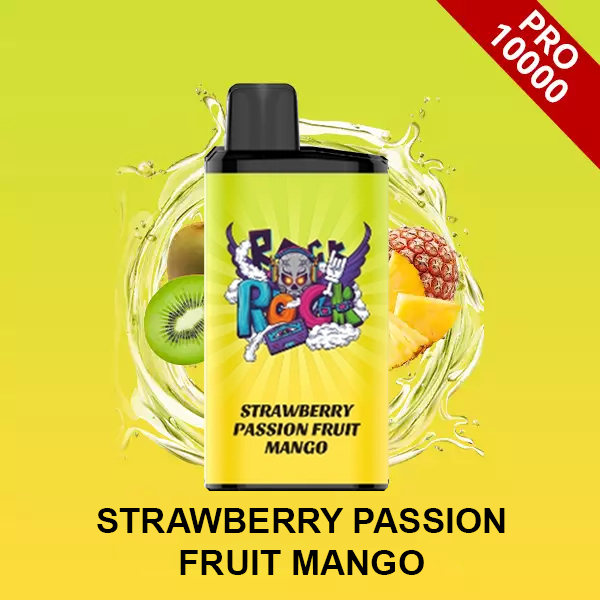
Flavor Guide: Nutty, Sweet, or Bold—Choose Fast
Firstly, flavor is the fastest way to narrow tobacco choices without overthinking. In that spirit, CHEAP TOBACCO AU can be treated as a simple “flavor map”: nutty, sweet, and bold. Each profile has a different role in daily routines. Additionally, the same profile can feel different across formats such as cartons, packets, or rolling tobacco. As a result, this guide focuses on practical benefits, common use cases, pairing ideas, and a clear selection method. Importantly, tobacco products carry health risks and addiction potential, so this content is intended for adults only.
A quick map of tobacco flavor families
Firstly, tobacco “taste” is rarely one note. Instead, it is a blend of aroma, dryness, sweetness, and finish. Meanwhile, the filter, paper, and cut can shape perception as much as the blend itself. As a result, it helps to group flavors into three families that stay useful across brands and formats.
Additionally, these families are not “better” or “worse.” They simply suit different moments and preferences. For example, a nutty profile often feels steady and warm. In contrast, a sweet profile can soften harsh edges and feel rounder. Meanwhile, a bold profile tends to feel sharper, drier, or more pronounced.
Nutty: roasted, earthy, and steady
Firstly, a nutty profile often shows toasted grain, cocoa-like dryness, or light wood notes. As a result, it can feel “grounded” rather than bright. In practice, nutty blends tend to support consistency across repeated sessions. That reliability is often the main benefit.
Additionally, nutty profiles can pair well with simple, bitter drinks. For example, black coffee and strong tea often highlight roasted notes without adding extra sweetness. Meanwhile, nutty tobacco can feel more balanced after meals, when sharper profiles might feel too intense.
However, “nutty” does not mean heavy. Some nutty profiles are light in body but still warm in finish. In other words, the aroma can stay present even when the overall strength feels moderate.
Sweet: smooth, mellow, and rounded
Firstly, a sweet profile in tobacco usually means natural leaf sweetness, not candy flavor. That sweetness often reads as honeyed, caramel-like, or gently creamy. As a result, the experience can feel smoother and less dry on the palate.
Additionally, sweet-leaning tobacco often works well when a softer edge matters. For example, slower-paced evenings, indoor downtime, or quiet breaks can align with mellow sweetness. Meanwhile, a sweet profile can reduce the sense of sharpness from paper or filter.
However, sweetness can vary by format. In practice, a packet may feel slightly brighter, while loose tobacco can feel deeper depending on moisture. As a result, checking the “finish” matters: some sweet profiles end clean, while others linger longer.
Bold: crisp, pronounced, and direct
Firstly, “bold” usually means stronger aroma impact, a drier finish, or a more obvious tobacco bite. As a result, bold profiles can feel clear and direct, especially in shorter sessions. Meanwhile, bold blends often hold up against strong coffee, rich meals, or outdoor air.
Additionally, bold does not always mean the highest nicotine. Instead, it often signals a sharper structure and more noticeable top notes. In other words, bold can be about clarity as much as intensity.
However, bold profiles can feel different depending on how fast the session is. For example, a quick break often emphasizes crispness. Meanwhile, a slower pace can bring out deeper leaf notes and reduce sharp edges.
Format matters: cartons, packets, and rolling tobacco
Firstly, the same flavor family can feel different in a carton, a packet, or loose tobacco. That difference is not imagination. Instead, paper, filter design, and storage style can shift how aroma lands. As a result, picking a format first can save time.
Additionally, format affects convenience and consistency. For example, cartons often support routine because each unit is uniform. In contrast, rolling tobacco supports customization, which is useful when small adjustments matter. Meanwhile, packets can sit between those two: simple and portable, with fewer variables.
Cartons: consistent profile and low friction
Firstly, cartons are built around repeatability. Filters, paper, and packing density stay consistent from unit to unit. As a result, flavor becomes easier to recognize and compare over time.
Additionally, cartons are often the easiest way to “lock in” a chosen profile. For example, once a nutty or sweet profile feels right, consistency becomes the main benefit. Meanwhile, the routine becomes simpler because fewer details change session to session.
However, cartons still vary by style. Some feel cleaner and lighter. Others feel richer or more pronounced. As a result, cartons are a strong fit when stable flavor is the goal.

Packets: portable, familiar, and straightforward
Firstly, packets are often chosen for convenience and a familiar feel. As a result, they work well in everyday settings where simplicity matters. Meanwhile, packets can be helpful for testing a profile before committing to a larger quantity.
Additionally, a packet can highlight “top notes” more quickly. For example, crisp or bright edges may appear earlier in the session. In contrast, deeper sweetness may feel subtler unless the blend is naturally round.
However, packets can be more sensitive to storage conditions once opened. As a result, maintaining freshness becomes more important when a packet is used over several days.
Rolling tobacco: customizable and ritual-friendly
Firstly, rolling tobacco is often chosen for control. Cut, moisture, and amount can be adjusted to shape the final feel. As a result, small changes can move a profile from bright to round, or from sharp to smooth.
Additionally, rolling tobacco can match different paces. For example, a slower-paced session may benefit from a slightly moister feel. Meanwhile, a drier feel can emphasize clarity and reduce heaviness.
However, customization also adds variables. In practice, the same blend can feel different depending on storage and handling. As a result, a simple, repeatable method matters more than constant experimentation.
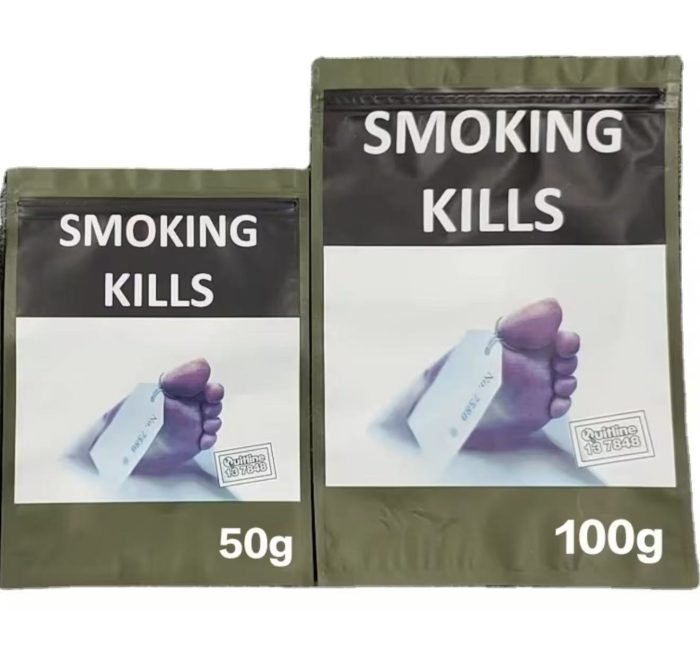
Flavor guide by “use case” (fast matching)
Firstly, flavor selection gets easier when tied to a specific situation. Instead of chasing perfect descriptions, it helps to match a profile to a moment. As a result, decisions become faster and more consistent.
Additionally, these “use cases” work for both cartons and loose tobacco. For example, the same nutty direction can be found across formats. Meanwhile, the pairing and pace can be adjusted without changing the flavor family.
For short breaks: clean, crisp, and direct
Firstly, short breaks often amplify the first impression. As a result, a bold or clean profile can feel clearer and more satisfying in limited time. Meanwhile, overly sweet profiles can sometimes feel “unfinished” when time is short.
Additionally, a crisp profile can suit outdoor air or movement. For example, commuting pauses or brief stops often align with a direct finish. In contrast, a heavy, lingering sweetness may feel better when more time is available.
However, the goal is not always maximum intensity. In practice, “clean and direct” can mean balanced, not harsh. As a result, choosing a profile with a tidy finish can matter more than choosing the strongest option.
For slow downtime: rounded, warm, and mellow
Firstly, longer sessions tend to reveal base notes. As a result, sweet or nutty profiles often feel more complete when time allows a slower pace. Meanwhile, the same profile can feel smoother as the session settles.
Additionally, mellow profiles often pair well with quiet routines. For example, reading, music, or late evenings tend to fit warmth rather than sharpness. In contrast, very crisp profiles can feel too pointed during slow downtime.
However, sweetness should still feel natural. In other words, the best mellow profiles feel balanced rather than sugary. As a result, leaf-forward sweetness often reads more “smooth” than “flavored.”
For after meals: warm, dry, and structured
Firstly, after meals, taste perception changes. Rich foods can reduce sensitivity to delicate notes. As a result, nutty or bold profiles often show up better after eating. Meanwhile, a drier finish can feel cleaner alongside lingering flavors.
Additionally, nutty profiles often echo roasted or baked notes in food. For example, bread, grains, or chocolate desserts can harmonize with toasted character. In contrast, very bright profiles may clash with heavy meals.
However, structure matters. In practice, a profile with a clear finish can feel more satisfying after food than one that fades quickly. As a result, looking for a defined “end note” is useful.
For social settings: balanced, neutral, and predictable
Firstly, social settings often demand predictability. A balanced profile usually avoids extremes and stays easy to recognize. As a result, medium-bodied nutty or gently sweet profiles often fit well.
Additionally, neutral profiles can reduce “taste fatigue” over longer gatherings. For example, when sessions are spaced out, balance matters more than novelty. Meanwhile, overly sharp profiles can feel tiring over time.
However, balance is not bland. In other words, a profile can be neutral yet still satisfying. As a result, the focus shifts to smoothness, finish, and consistency.
Product-aligned examples (nutty, sweet, and bold)
Firstly, examples help translate flavor language into real choices. Still, the goal here is not a single “best” option. Instead, each example shows how a format can support a flavor direction.
Additionally, cartons often highlight consistency. Meanwhile, a well-chosen carton can serve as a “baseline,” making it easier to compare future picks.
A balanced, everyday-leaning direction (clean and smooth)
Firstly, lighter cartons often emphasize clarity and a smoother edge. As a result, they can fit routines where subtlety matters. Meanwhile, the experience can feel steady rather than heavy.
Additionally, a cleaner profile often pairs well with mild drinks and simple meals. For example, tea, water, or plain snacks tend to let the tobacco note stay clear. In contrast, heavy sweets can bury delicate notes.
However, “light” should still feel complete. In practice, a well-balanced carton maintains aroma without becoming thin. As a result, looking for a tidy finish can be more useful than chasing intensity.
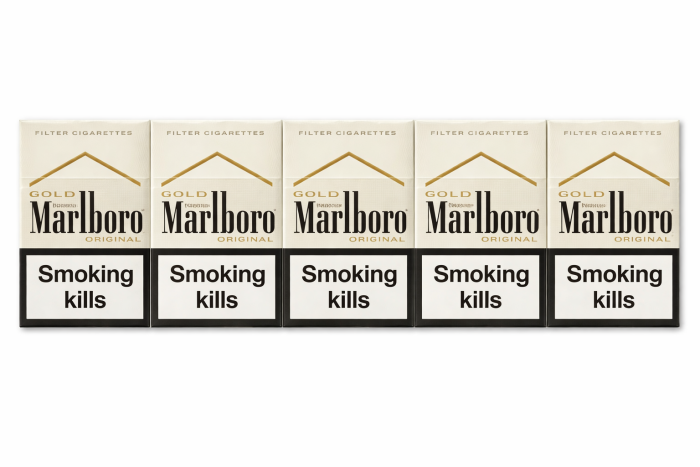
A vivid, higher-impact direction (pronounced and direct)
Firstly, some cartons deliver a more obvious first impression. As a result, they can suit quicker breaks or outdoor conditions. Meanwhile, a pronounced profile often holds up better against strong coffee or rich food.
Additionally, vivid profiles can feel “clean” when the finish stays tight. For example, a sharper top note can still feel smooth if the end is controlled. In contrast, a bold profile with a messy finish can feel rough.
However, direct profiles often benefit from pacing. In other words, slowing down can reveal more leaf character and reduce sharpness. As a result, the same carton can feel different depending on rhythm.
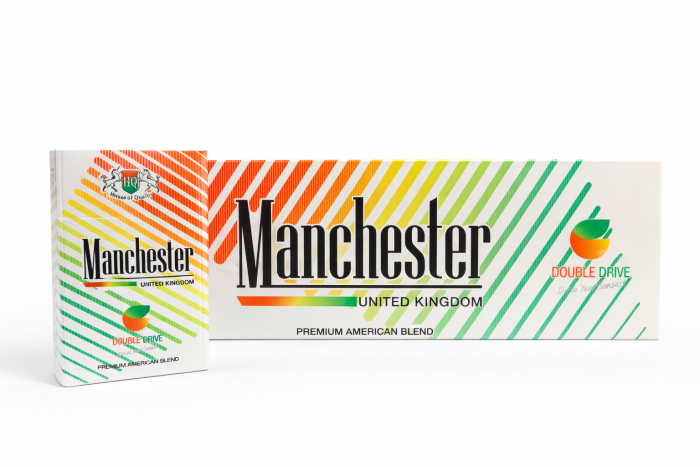
Pairing ideas: make flavors feel clearer
Firstly, pairing does not need to be complicated. Instead, the best pairings reduce conflict and highlight a profile’s strengths. As a result, even a familiar blend can feel more “defined.”
Additionally, pairing is about contrast or harmony. For example, bitterness can sharpen sweetness. Meanwhile, mild foods can let aroma come forward. In contrast, heavily spiced or very sweet foods can flatten subtle notes.
Nutty pairings: roasted, bitter, and simple
Firstly, nutty profiles often work well with bitterness and warmth. Black coffee is a classic pairing because it echoes roasted notes. Meanwhile, strong breakfast tea can do the same without added sweetness.
Additionally, simple snacks often fit nutty tobacco. For example:
- Plain crackers or toast
- Unsweetened nuts
- Dark chocolate in small amounts
- Oat-based snacks
However, heavy sugar can blur nutty detail. As a result, keeping pairings “clean” often helps the roasted note stay distinct.
Sweet pairings: creamy, mild, and gentle
Firstly, sweet-leaning tobacco usually pairs best with mild flavors. For example, milk tea, light coffee, or vanilla-forward snacks can harmonize with roundness. Meanwhile, fruit can work when it stays tart rather than syrupy.
Additionally, gentle pairings often support a smooth finish. Consider:
- Plain yogurt or mild dairy snacks
- Light pastries without heavy icing
- Mild herbal tea
- Simple biscuits
However, very rich desserts can overwhelm the leaf sweetness. In practice, smaller portions work better. As a result, sweetness stays “soft” rather than sticky.
Bold pairings: strong, dry, and structured
Firstly, bold profiles often benefit from structure. Strong coffee can match intensity and keep the experience coherent. Meanwhile, dry snacks can help reset the palate.
Additionally, bold pairings often include:
- Espresso or strong black coffee
- Strong tea (without heavy sugar)
- Dark chocolate with low sweetness
- Savory snacks that are not heavily spiced
However, bold plus heavy spice can feel abrasive. As a result, keeping foods simpler often prevents harsh edges.
Storage and freshness: keeping flavor stable
Firstly, tobacco flavor is sensitive to air and dryness. As a result, storage is not just about “lasting longer.” It is about keeping the intended profile intact.
Additionally, two problems show up most often: drying out and absorbing odors. For example, open packs near kitchen smells can pick up off-notes. Meanwhile, excessive dryness can flatten sweetness and increase sharpness.
Practical storage basics
Firstly, stable temperature matters. Heat swings can change moisture and aroma. Meanwhile, direct sunlight can speed up staling.
Additionally, airtight storage reduces both drying and odor absorption. Useful habits include:
- Keeping products sealed when not in use
- Using a clean, odor-free container for loose tobacco
- Storing away from strong scents (spices, perfumes, cleaners)
However, over-handling can also dry tobacco faster. As a result, limiting exposure time helps preserve roundness.
Recognizing “too dry” vs “too moist”
Firstly, dryness often shows as harshness and reduced aroma. Sweet profiles may lose their soft edge. Meanwhile, nutty profiles may feel flatter.
Additionally, excess moisture can dull clarity and reduce crispness. In practice, it can feel muted rather than defined. As a result, aiming for steady, moderate moisture keeps profiles closer to intended balance.
A fast selection method (nutty, sweet, bold)
Firstly, a repeatable checklist prevents constant second-guessing. Instead of scanning everything, start with a profile, then confirm format and finish. As a result, choices become faster and more consistent.
Additionally, the method below works whether the goal is routine or variety. Meanwhile, it also reduces “mismatch” moments where a blend feels wrong for the day.
Step 1: pick the flavor family
Firstly, choose one:
- Nutty for steady warmth and roasted dryness
- Sweet for smoothness and rounded edges
- Bold for direct clarity and stronger impact
Additionally, when uncertain, nutty is often the safest baseline. In contrast, bold is best when a crisp first impression matters. Meanwhile, sweet works well when smoothness is the priority.
Step 2: choose the format that matches the routine
Firstly, format is a multiplier. Cartons increase consistency. Packets increase portability. Rolling tobacco increases control. As a result, the same flavor can feel easier or harder to maintain depending on format.
Additionally, the simplest routine usually wins long-term. In practice, fewer variables reduce frustration. Meanwhile, customization is most useful when small tuning matters.
Step 3: confirm finish and “pace fit”
Firstly, finish is the last signal. A clean finish tends to feel more satisfying across settings. Meanwhile, a lingering finish may suit slow downtime more than quick breaks.
Additionally, consider pace:
- Quick breaks often favor bold or clean profiles
- Longer sessions often favor sweet or nutty depth
- After meals often favor structured dryness
However, no rule is absolute. As a result, the best guide is repeatable enjoyment, not theory.
FAQ
What does “nutty” mean in tobacco flavor?
Firstly, “nutty” usually describes toasted, roasted, or cocoa-like notes. Additionally, it often comes with a steady, warm finish. As a result, it tends to feel reliable across repeated sessions.
Does “sweet” mean flavored tobacco?
Firstly, not necessarily. “Sweet” often refers to natural leaf sweetness rather than added flavor. Meanwhile, it usually feels rounder and less dry. As a result, the experience can feel smoother without tasting like candy.
What makes a profile “bold” if nicotine is not the highest?
Firstly, boldness often comes from aroma impact and a drier, sharper structure. Additionally, paper and filter design can increase clarity. As a result, bold can feel more “direct” without being the strongest option.
Why does the same blend feel different in different formats?
Firstly, format changes variables such as paper, filter, and packing density. Meanwhile, storage behavior differs between cartons, packets, and loose tobacco. As a result, the profile can shift even when the leaf direction is similar.
Which profile fits everyday routines best?
Firstly, a balanced nutty or gently sweet profile often fits daily use because it is less fatiguing. Additionally, cartons can support routine through consistency. As a result, the experience becomes easier to predict.
Which profile tends to pair best with coffee?
Firstly, nutty and bold profiles often pair well with coffee because roasted bitterness aligns naturally. Meanwhile, sweet profiles can work with lighter coffee styles. As a result, matching intensity usually produces the cleanest result.
How can freshness be protected after opening?
Firstly, reducing air exposure helps most. Additionally, keeping products away from strong odors prevents off-notes. As a result, aroma stays closer to the intended profile for longer.
Is rolling tobacco better for flavor control?
Firstly, rolling tobacco offers more variables to adjust, so control can be higher. However, those same variables can introduce inconsistency. As a result, simple repeatable handling usually matters more than constant tweaking.
What is the fastest way to avoid a mismatch purchase?
Firstly, pick the flavor family first, then match the format to the routine. Additionally, confirm finish and pace fit. As a result, most mismatches disappear before they happen.
Do storage conditions change sweetness?
Firstly, yes. Excess dryness can reduce perceived sweetness and increase sharpness. Meanwhile, excessive moisture can mute clarity. As a result, stable storage supports a more consistent sweet profile.
Summary and practical next steps
Firstly, the fastest tobacco decision is usually a flavor decision. Nutty favors warmth and steady balance. Sweet favors smoothness and rounded edges. Bold favors direct clarity and a pronounced finish. Additionally, format locks in convenience or control, which shapes consistency over time.
Three actionable tips
- Firstly, choose a flavor family for the day, then stop comparing everything else.
- Meanwhile, match format to routine: cartons for consistency, loose tobacco for control.
- Finally, protect freshness with airtight storage and low-odor surroundings.
Ultimately, for a simple starting point and a clear flavor direction, CHEAP TOBACCO AU works best when treated like a profile guide: pick nutty, sweet, or bold, then keep the routine consistent.
Technical Specifications
| Specification | Details |
|---|---|
| Puff Count | 10,000+ |
| E-Liquid | 15-18ml |
| Nicotine | 5% (50mg/ml) |
| Battery | 500-650mAh |
| Coil | Mesh Coil |