
5 Incredible Shifts in Modern Design: How Pod Flavor and Advanced Coils Redefine the Vapor Scene

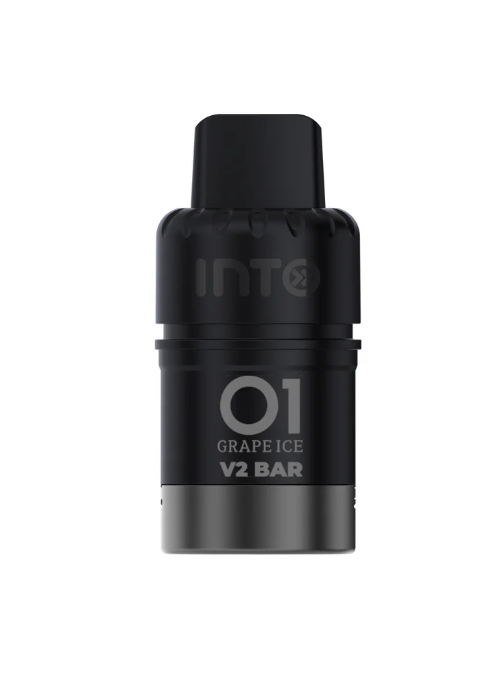
Pod flavor development over the past decade has completely transformed how consumers interact with aromatic compounds. Initially, early-generation hardware offered rigid, one-size-fits-all mechanics that frequently sacrificed clean flavor reproduction for sheer utility.
Today, a sophisticated intersection of thermodynamics, fluid mechanics, and materials science has elevated the entire landscape. Hardware development has diversified into highly specialized branches, with each branch targeting a precise balance of user convenience, temperature accuracy, and taste clarity.
Table of Contents
The Thermodynamic Separation: Desktop Purity vs Mobile Convenience
When looking closely at the history of hardware engineering, extraction purity has always been the ultimate goal. For stationary, home-based hobbyists who prioritize absolute terpene preservation from botanical materials, the desktop ball vape represents the peak of modern convection technology.
By utilizing heated gemstone spheres to evenly disperse thermal energy through incoming air currents, these heavy-duty desktop systems achieve uncompromised extraction without combustion.
However, the massive spatial footprint and strict power requirements of a high-end desktop setup do not translate to an on-the-go lifestyle. For the vast majority of modern consumers, pocket-friendly portability is the primary requirement.
This shift in lifestyle needs meant that isolating a vibrant, rich pod flavor within a micro-sized, battery-powered chassis became the defining challenge for consumer hardware engineers. The goal was no longer just about generating clouds, but mimicking the unadulterated flavor output of desktop vaporizers in a device that fits in the palm of a hand.
Modular Engineering: Analyzing the Two-Part Hardware Framework
To achieve this level of performance in portable formats, manufacturers had to move away from old, single-piece architectures. The earliest portable devices were entirely integrated, single-use plastic shells that required discarding the entire internal battery assembly once the liquid supply ran out.
As consumer preferences evolved, the hardware market shifted heavily toward modular, closed-loop ecosystems that separated the permanent power source from the consumable element.
A prominent illustration of this architectural shift is the popular iget bar plus framework. By breaking the device down into a robust, rechargeable base unit and a separate, detachable e-liquid housing, this design addresses both environmental waste and long-term cost-efficiency.
Users can retain their high-capacity battery cell for thousands of charging cycles while simply swapping out the top chamber when a refresh is required.
In line with public safety standards managed by agencies like the Australian Government Department of Health and Aged Care, modern hardware increasingly relies on distinct, factory-sealed systems to ensure tight quality control and reduce the risk of accidental leakage.

Interoperable Fluid Paths: Cross-Platform Component Integration
As the closed-loop market grew, a new layer of innovation emerged through third-party component engineering. Independent manufacturers realized that consumers often wanted to modify their hardware performance without completely changing their core battery platform.
This realization sparked the creation of aftermarket cross-compatible tanks built to alter internal airflow resistance and thermal dynamics.
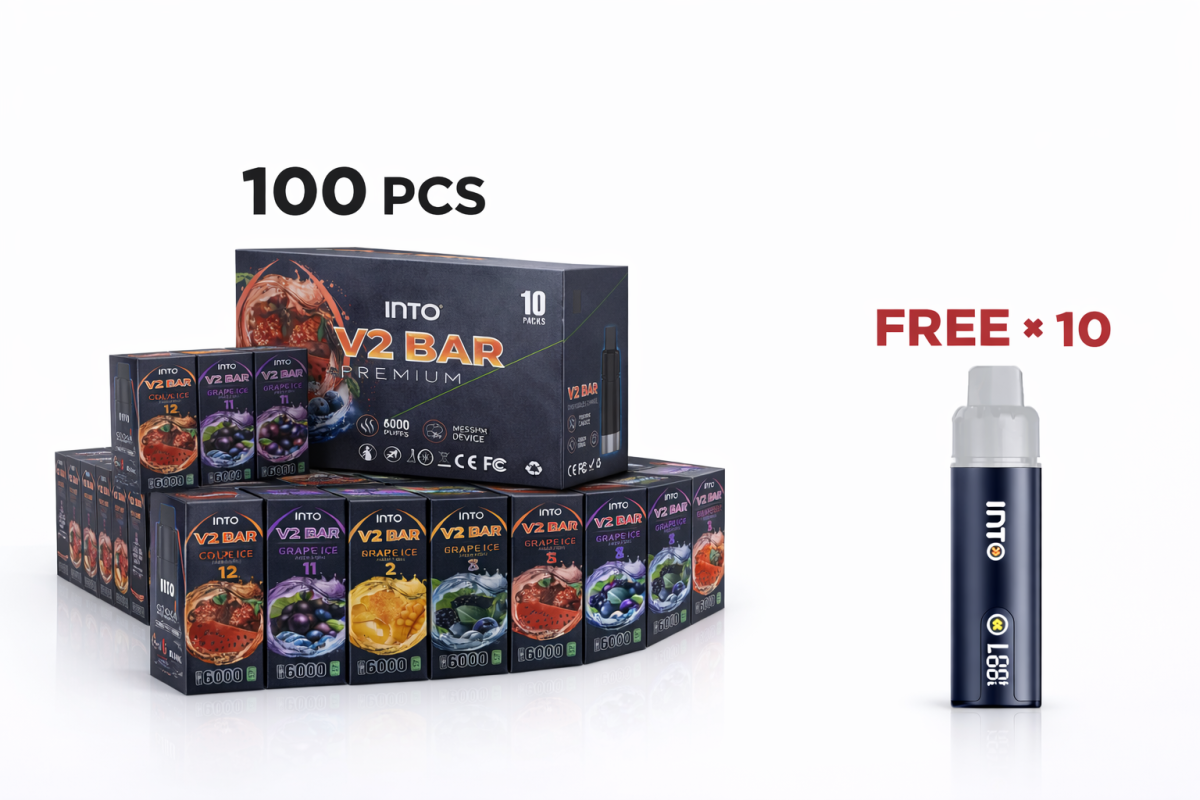
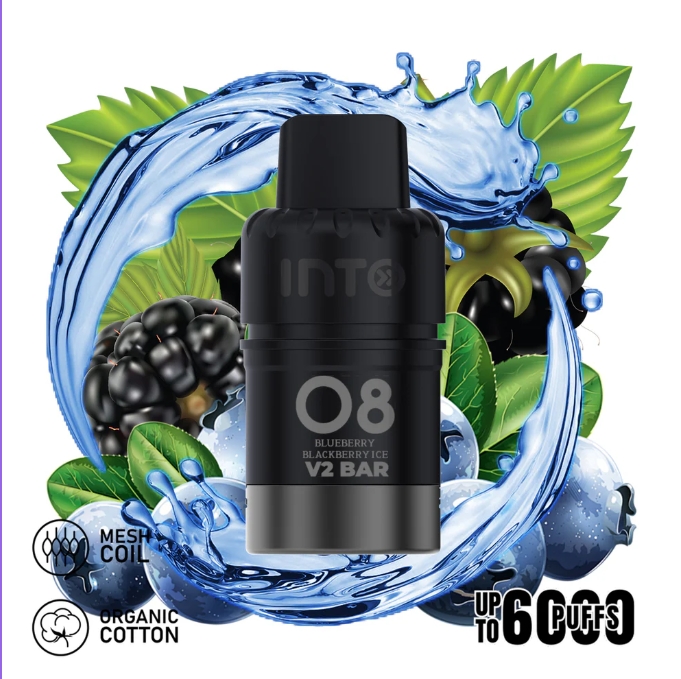
A notable example of this ecosystem cross-compatibility is the into v2 pod, an aftermarket tank specifically engineered to operate smoothly on the existing iget bar plus v2 battery platform.
This cross-hardware integration provides an incredibly flexible option for users who want to experiment with different vapor densities.
By modifying the internal chimney width and implementing updated wicking structures, the into v2 pod configuration optimizes the fluid-to-vapor transformation.
This specialized engineering gives enthusiasts the ability to fine-tune their inhalation experience and discover nuances in their chosen liquid profiles that might otherwise remain compressed or muted on stock components.

Granular Control: Navigating the Mechanics of Open Refills
While sealed, pre-filled ecosystems offer unmatched plug-and-play simplicity, they eventually present limits for individuals seeking absolute control over their daily setups.
This boundary naturally pushes a substantial segment of users toward the open-system paradigm. The adoption of modern refillable vapes represents a conscious step toward complete personalization, granting users full authority over their exact vegetable glycerin (VG) to propylene glycol (PG) ratios, customized nicotine strengths, and niche ingredient profiles.
Opting for high-performance refillable vapes completely alters the consumer relationship with the underlying technology.
Rather than remaining locked into a fixed, proprietary flavor menu curated by a single brand, users can source distinct, small-batch liquids from independent producers.
This transition shifts the routine maintenance from a basic swap to hands-on interaction, where users manually perform their own vape refills directly into the open tank chamber.
This process unlocks a virtually infinite catalog of global liquid recipes while allowing users to match their fluid thickness precisely to the wicking capabilities of their specific mesh or ceramic heating element.
Thermal Precision: The Volatile Chemistry of Fruit Profiles
Regardless of whether a person prefers the simplicity of a closed pre-filled platform or the deep customization of an open tank, the ultimate validation of any heating device comes down to how it handles complex, volatile aromatic compounds.
Fruit-based formulations are widely recognized as the hardest profiles for miniature heating elements to reproduce accurately due to their intricate molecular makeup.
For instance, a classic strawberry vape blend relies on highly delicate organic compounds, such as volatile furaneols and specific fruit esters, which are incredibly sensitive to thermal degradation.
If a heating coil experiences an abrupt hot spot or suffers from uneven electricity distribution, these fragile compounds break down instantly, turning what should be a bright, juicy fruit note into a harsh, artificial taste.
This is why high-end engineering focuses so heavily on uniform heat distribution across the mesh surface area.
Achieving a consistently balanced pod flavor profile requires flawless synchronization between the liquid absorption rate of the cotton wick and the precise electrical resistance of the metal core, ensuring that every draw is clean, smooth, and texturally accurate from the first drop to the last.