Tobacco Laws Australia 2026: Regulation Updates and Market Impact


Why Australia Maintains the Strictest Tobacco Policies
Australia has long been considered one of the strictest countries in the world when it comes to tobacco regulation. Over several decades, the government has implemented a comprehensive strategy aimed at reducing smoking rates, protecting young people, and lowering long-term healthcare costs.
The tobacco laws australia 2026 represent the continuation of this strategy. Rather than relaxing controls, policymakers have reinforced existing rules, focusing on enforcement, product standardization, and retail compliance.
The foundation of modern tobacco control australia policies lies in evidence-based welcome step public health research. Authorities have consistently prioritized prevention over profit, shaping one of the most tightly regulated tobacco markets globally.
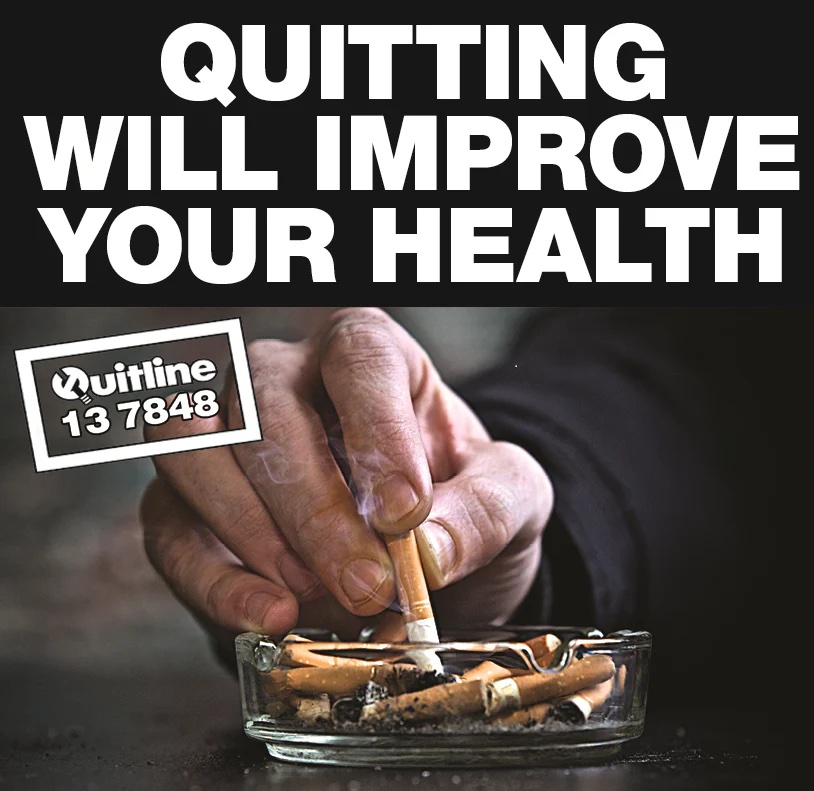
Table of Contents
The Foundation: Plain Packaging and Advertising Restrictions
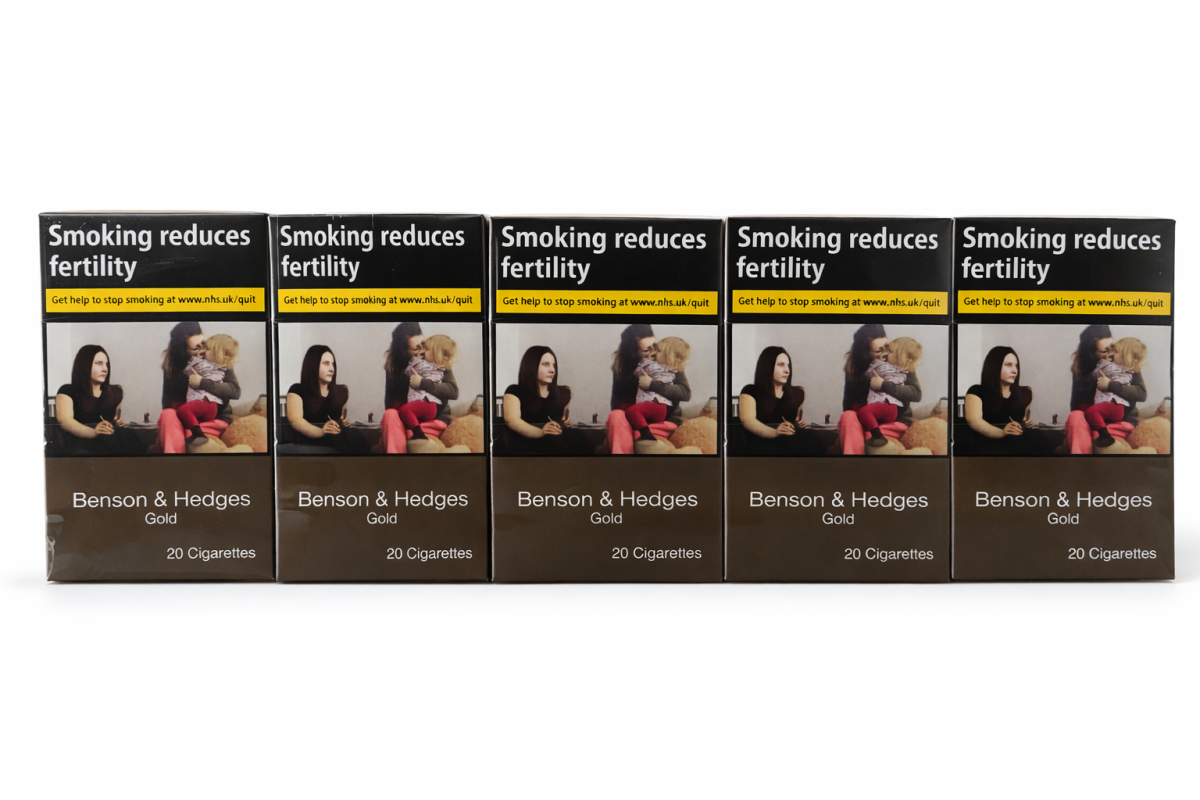
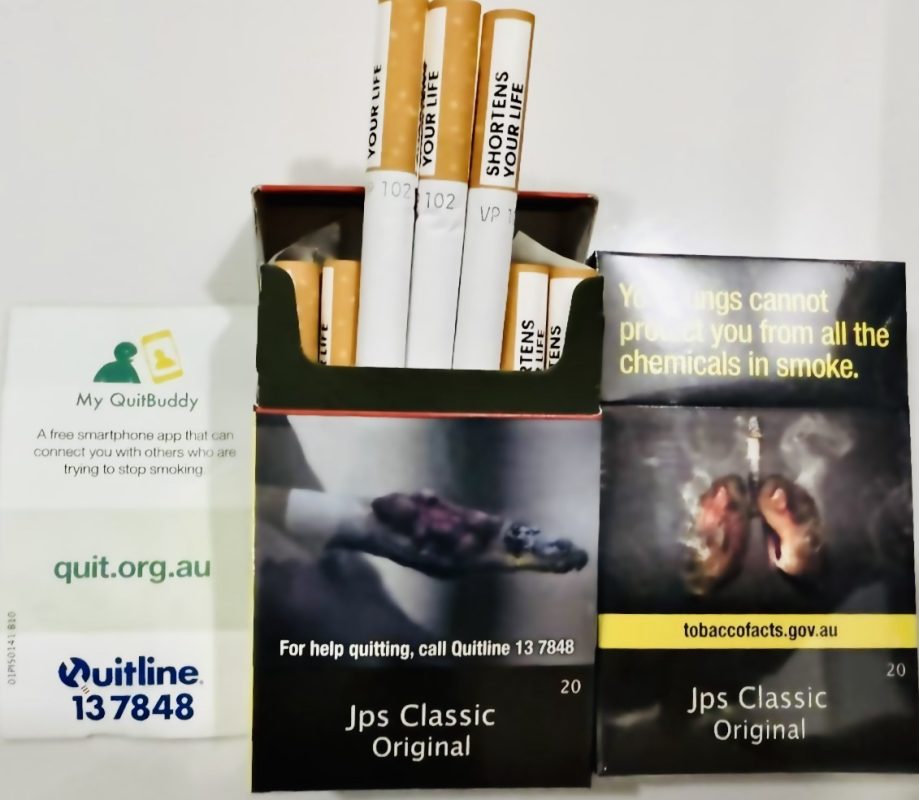
A major turning point came with the introduction of the Tobacco Plain Packaging Act 2011. This legislation required all cigarette packaging to adopt a standardized olive-brown color, remove branding elements, and display large graphic health warnings.
The goal of plain packaging australia laws was simple: reduce the visual appeal of tobacco products and prevent branding from influencing young consumers. Studies following implementation showed measurable declines in smoking initiation rates among teenagers.
In addition to packaging rules, tobacco control australia includes:
- Complete bans on tobacco advertising
- Restrictions on sponsorship and promotion
- Strict point-of-sale display limitations
- Mandatory health warning rotations
These measures collectively reduce tobacco visibility in everyday life.
What Is New in Tobacco Laws Australia 2026?
The tobacco laws australia 2026 focus heavily on enforcement and supply-chain regulation. Rather than introducing dramatic new bans, regulators are strengthening compliance mechanisms.
Key updates include:
1. Stronger Retail Licensing Controls
Retailers must meet stricter licensing requirements. Non-compliance can now result in heavier penalties and faster license suspension.
2. Increased Crackdown on Illicit Tobacco
Illegal tobacco trade has been a growing concern. Authorities have expanded investigative powers and penalties to address black-market distribution.
3. Expanded Nicotine Oversight
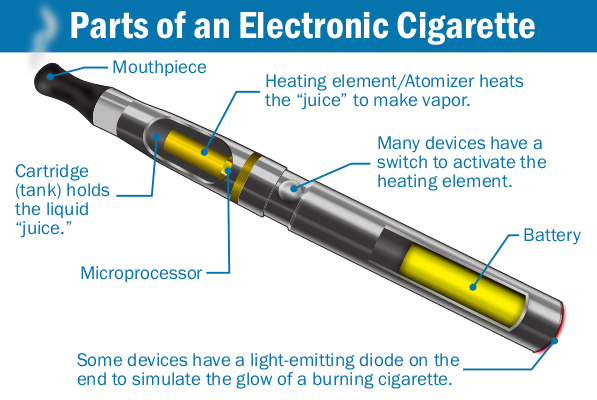
The intersection between tobacco and alternative nicotine products has become central to policy discussions. Nicotine regulation australia now requires clearer categorization of products containing nicotine, especially where vaping devices are involved.
Oversight is partially administered through agencies such as the Therapeutic Goods Administration, which regulates therapeutic nicotine products under specific conditions.
Economic and Consumer Impact
Consumers are feeling the impact of the tobacco laws australia 2026 in several ways.
Rising Prices
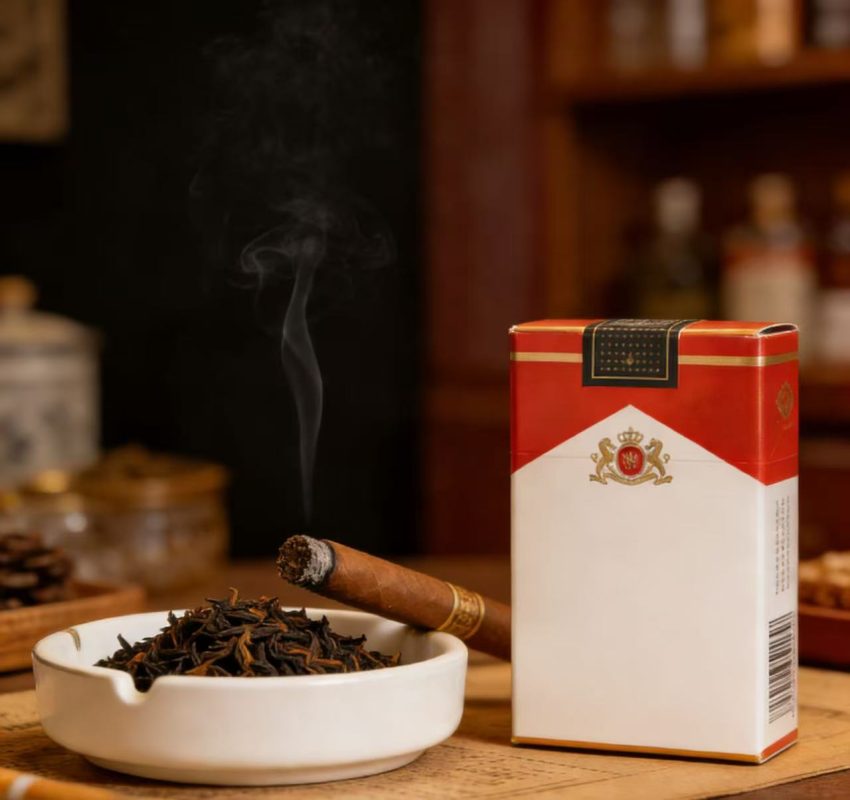
Australia already has some of the highest cigarette prices in the world due to excise taxes. Continued tax increases contribute to reduced consumption but also increase financial burden on regular smokers.
Reduced Accessibility
Stricter compliance and enforcement make illegal purchases riskier and more difficult. Retailers are under pressure to verify age and licensing requirements more carefully.
Increased Discussion Around Alternatives
As regulations tighten, comparisons such as vape vs tobacco australia have become more common. While vaping products are also regulated, some adult smokers explore alternatives within the boundaries of the law.
It is important to note that both tobacco and vaping products remain subject to regulation, and consumers must understand legal requirements before purchasing nicotine-containing products.
Public Health Strategy and Global Influence
Australia’s tobacco strategy aligns with global frameworks influenced by the World Health Organization and its Framework Convention on Tobacco Control.
The guiding principles include:
- Preventing youth initiation
- Encouraging smoking cessation
- Reducing overall nicotine dependence
- Lowering long-term public healthcare expenditure
Through sustained tobacco control australia initiatives, national smoking rates have declined significantly over the past 20 years. Public education campaigns, taxation, and regulatory enforcement work together as a unified strategy rather than isolated actions.
The Future Direction of Tobacco Regulation
Looking ahead, the trajectory suggested by the tobacco laws australia 2026 indicates continued tightening rather than relaxation.
Future developments may include:
- Further excise increases
- More aggressive anti-illicit enforcement
- Greater regulatory harmonization between tobacco and nicotine products
- Expanded public awareness campaigns
As alternative nicotine delivery systems evolve, policymakers are likely to maintain cautious oversight. The regulatory environment will remain dynamic, requiring both consumers and businesses to stay informed.
Final Thoughts
The tobacco laws australia 2026 reflect a long-standing commitment to public health rather than short-term economic considerations. From plain packaging australia laws to evolving nicotine regulation australia, the country continues to position itself as a global leader in tobacco control.
For consumers, understanding the regulatory framework is essential. For businesses operating in nicotine-related industries, compliance is no longer optional—it is central to survival in a tightly controlled market.
Australia’s approach shows that tobacco regulation is not static; it evolves continuously in response to public health data and market behavior.
Technical Specifications
| Specification | Details |
|---|---|
| Puff Count | 10,000+ |
| E-Liquid | 15-18ml |
| Nicotine | 5% (50mg/ml) |
| Battery | 500-650mAh |
| Coil | Mesh Coil |