

Australian Smoke Brands: 7 Positive Insights into a Classic Market


The tobacco market in Australia is unlike almost anywhere else in the world. Strong regulation, standardized packaging, and limited promotion mean that brand recognition is built less on marketing and more on long-term trust. Within this environment, australian smoke brands have developed a reputation for consistency, familiarity, and availability—qualities that many adult smokers still value today.
Rather than chasing novelty, the Australian market continues to reward brands that deliver a predictable experience and maintain steady retail presence. This article explores how that ecosystem works, why certain products remain popular, and what influences purchasing decisions across the country.
A Market Shaped by Regulation and Routine
Australia’s tobacco regulations are among the strictest globally. With branding removed from packaging, consumers rely on memory, experience, and word-of-mouth rather than visual appeal. This creates a unique dynamic where long-established products often outperform newer entrants.
In this setting, smokers tend to stick with what they know. Familiar names become anchors in an otherwise uniform retail landscape, and consistency matters more than innovation. Over time, this reinforces loyalty to a small group of well-known options.
Why Brand History Still Matters
Despite plain packaging laws, history still plays a role in brand perception. Products that have been available for years benefit from recognition built before regulation tightened. That legacy continues through repeat purchases rather than advertising.
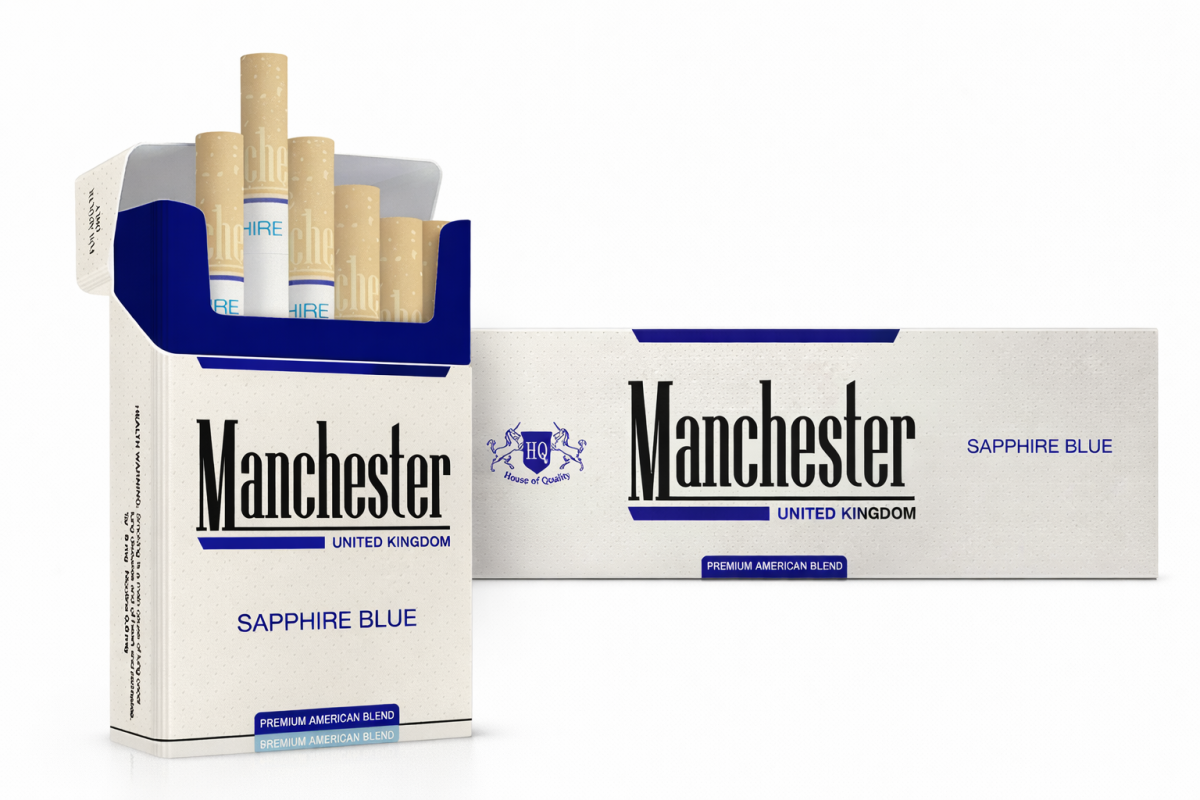
For example, manchester cigarettes have maintained visibility through steady demand rather than promotion. Their continued presence reflects how reputation, once established, can persist even in a highly restricted market.
The Appeal of Different Cigarette Formats
Not all smokers prioritize the same experience. Some prefer a fuller draw, while others look for something lighter and more discreet. This is where format choices come into play.
Slim cigarettes appeal to a segment of adult smokers who value a narrower profile and a milder feel. While they occupy a smaller share of the market, their steady demand shows that choice still matters—even under uniform packaging rules.
Distribution Is More Important Than Marketing
In Australia, supply chains do much of the work that advertising cannot. Products that are consistently available tend to outperform those that appear only sporadically. Retailers rely on dependable distributors to ensure continuity.
This is where wholesalers such as localcig supplies become important behind the scenes. By maintaining reliable delivery to convenience stores and tobacconists, they help ensure that familiar products remain accessible without interruption.

Retail Experience Still Influences Choice
Even with visual branding removed, the in-store experience matters. Clean shops, clear pricing, and knowledgeable staff all contribute to customer satisfaction. Smokers are more likely to return to stores where purchasing feels straightforward and respectful.
Over time, these habits reinforce demand for familiar products. When a preferred brand is always available at a regular shop, switching becomes unnecessary. Convenience and predictability shape long-term behavior more than variety.
Why Familiarity Outperforms Experimentation
In less regulated markets, new products constantly compete for attention. In Australia, experimentation is far less common. Smokers who find something that suits them from localcig supplies often see no reason to change.
This explains why established options continue to dominate shelf space. Even as alternatives enter the market, only those that can match reliability and availability tend to survive.
Stability in a Changing Environment
Although regulations and public attitudes continue to evolve, purchasing patterns remain surprisingly stable. Adult smokers still prioritize familiarity, access, and consistency over novelty.
Within this framework, australian smoke brands that align with these values retain their place in the market. Their success is not loud or promotional—it is quiet, steady, and built on routine.

Final Thoughts
The Australian tobacco market is defined by structure rather than spectacle. With advertising removed and packaging standardized, trust and habit take center stage. Brands that deliver a consistent experience and remain reliably stocked continue to earn loyalty.
Understanding this landscape helps explain why certain products remain relevant year after year. In a tightly controlled environment, stability itself becomes a positive attribute—and one that many adult smokers continue to appreciate.